
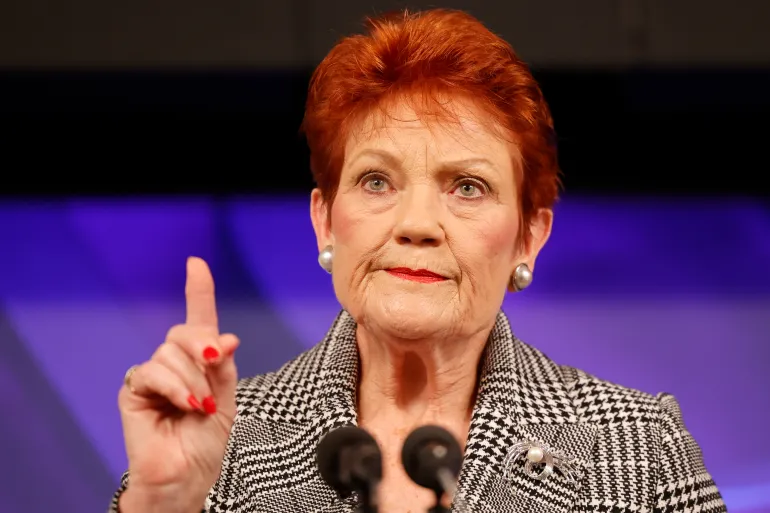
Pauline Hanson has once again placed immigration at the centre of Australia’s political debate, with One Nation unveiling an ambitious proposal to substantially reduce the number of people entering the country.
In September, One Nation announced a plan aimed at reducing Australia’s migration intake by around 750,000 places over three years. The proposal would particularly affect international students and some family members of temporary skilled workers. Hanson argues that lower migration would ease pressure on housing, infrastructure and the cost of living.
One Nation has also proposed reducing net overseas migration to approximately 130,000 a year. Australia’s net overseas migration was around 300,000 in the previous year, according to figures cited by ABC News.
The proposal has generated significant criticism. Universities Australia has warned that major reductions in international student numbers could have serious financial consequences for universities and regional communities. Hanson, meanwhile, has argued that universities have become too dependent on international enrolments and described them as “visa factories.”
The migration announcement comes during a period of increased attention on Hanson and One Nation. Recent reporting has examined the party’s efforts to broaden its electoral appeal, including among some migrant voters concerned about housing, inflation, infrastructure and immigration levels. At the same time, representatives of multicultural organisations have argued that migrants should not be blamed for complex economic and social problems.
Hanson is also promoting economic policies aimed at Australians struggling with everyday expenses. Earlier in September, One Nation proposed allowing eligible workers paying rent or a mortgage to temporarily redirect part of their compulsory superannuation contributions into take-home pay. Critics warned that such a policy could reduce retirement savings and potentially add to inflationary pressures.
The latest proposals show that Hanson and One Nation are attempting to connect immigration, housing and household finances into a broader political agenda. How voters respond to those policies will remain an important part of Australia’s political debate.