
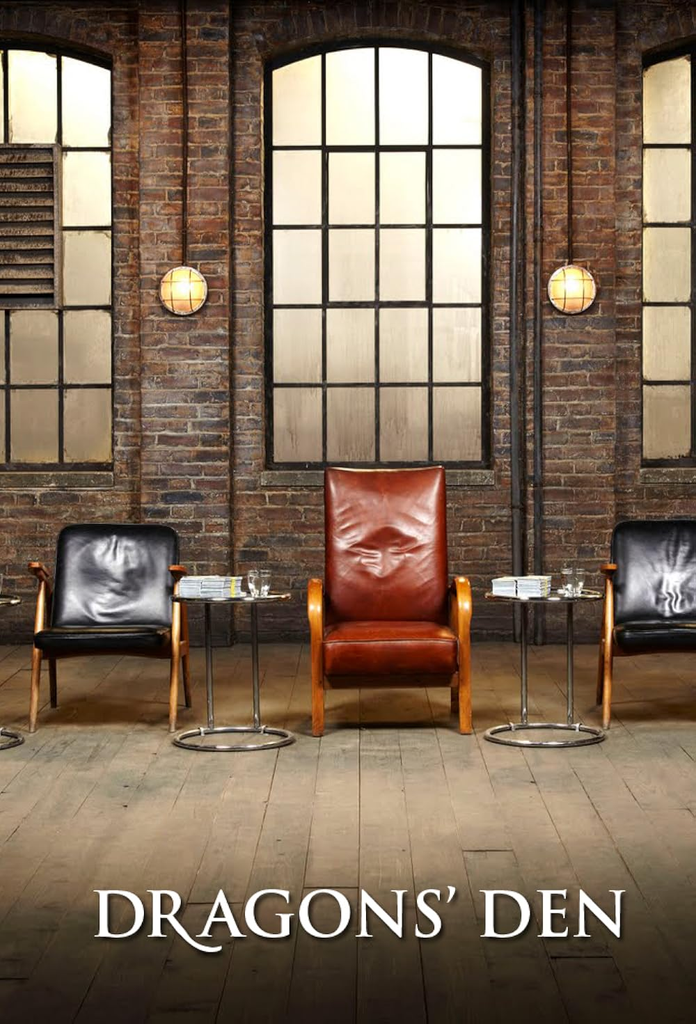
For years, Dragons’ Den has turned an ordinary business pitch into television watched by millions. Entrepreneurs enter the studio hoping to convince experienced investors that their idea deserves financial backing — but the programme is about considerably more than the amount of money offered on screen.
The format is straightforward. A founder presents a company, explains how much investment they are seeking and states what percentage of the business they are prepared to give away. The Dragons can then question the entrepreneur about sales, margins, intellectual property, competitors and the company’s valuation before deciding whether to make an offer.
This questioning is often the most revealing part of the programme. A product may look impressive during the initial presentation, but investors generally want evidence that customers are actually willing to pay for it. Strong revenue can attract attention, while weak margins, unclear ownership or an ambitious valuation can quickly change the conversation.
The programme has also become closely associated with several prominent British business figures. Peter Jones has been part of the BBC series since its first season, while the panel has evolved considerably over the programme’s long history.
One important detail is that a handshake in the Den is not necessarily the end of the investment process. After filming, proposed deals can be subject to due diligence, during which investors examine financial accounts, legal documents and other information supplied by the company. As a result, some agreements announced on television may later be modified or may not ultimately proceed.
For entrepreneurs, however, appearing on Dragons’ Den can still provide something beyond investment: enormous public exposure. A memorable pitch can introduce a previously little-known product to a national audience almost overnight.
That is one reason the programme continues to attract founders with very different ideas. Behind the dramatic negotiations, Dragons’ Den ultimately revolves around a simple question: can an entrepreneur demonstrate that an interesting idea can also become a sustainable business?